Top Mistakes Homeowners Make When Opening Their Pool in Spring
As the temperature climbs and the days grow longer, many homeowners eagerly start preparing their backyard oasis for the upcoming swimming season. But rushing your spring pool opening can lead to costly repairs, cloudy water, or even unsafe swimming conditions. Whether you’re a seasoned pool owner or opening your pool for the first time, understanding what not to do is just as important as knowing what to do right.
Here are the top mistakes homeowners make when opening their pool in spring-and how to avoid them for a clean, sparkling, and stress-free start to your swim season.
Removing the Pool Cover Too Early
One of the most common blunders is removing the winter cover before your area has consistently warm weather. Even a few cold nights or late-season storms can drop leaves, pollen, and debris back into your freshly cleaned pool.
Instead, wait until temperatures stay above 65°F (18°C) and the risk of frost is gone. Before removing the cover, clear standing water and debris from the top to keep contamination from falling into the pool. Fold and dry the cover thoroughly before storing-it’ll last longer and stay mold-free.
Neglecting to Clean and Inspect Equipment
Your pool’s filtration and circulation systems work hard, and sitting idle through winter can take a toll. Skipping a detailed equipment inspection can lead to bigger issues later, such as leaks, poor water circulation, or malfunctioning heaters.
Inspect these components before filling or turning anything on:
- Pump and filter: Check for cracks, rust, and worn seals. Replace any damaged O-rings or gaskets.
- Heater: Clear out debris and test ignition or electrical connections for functionality.
- Skimmer and returns: Remove winter plugs and ensure nothing is clogged.
A quick pre-season check can prevent headaches once you’re poolside.
Forgetting to Clean the Pool Thoroughly Before Balancing Chemicals
It’s tempting to start adding chlorine and algaecide right after removing the cover, but applying chemicals before cleaning can make them less effective. Organic debris, such as leaves, twigs, or algae pockets, consumes chlorine as it decomposes, throwing off your water chemistry.
Always start by:
- Removing large debris with a leaf net or skimmer.
- Brushing the walls and floor to loosen dirt and algae buildup.
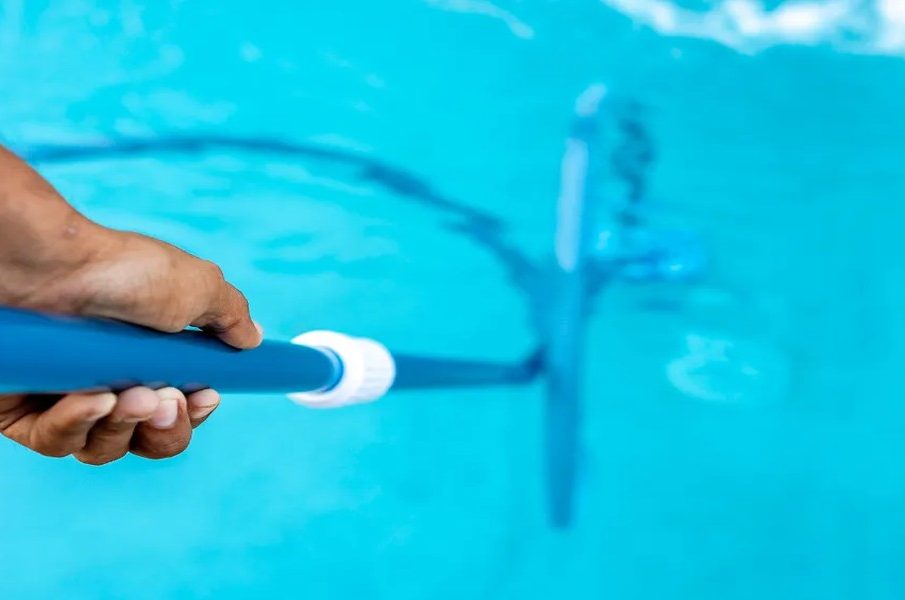
- Vacuuming the pool thoroughly before testing and adjusting pH and chlorine levels.
Your pool maintenance will be smoother and more predictable when the water is truly clean before treatment.
Ignoring Proper Water Level Adjustment
Many homeowners forget to check their water level before starting up the pump. Running your system with too little water can cause the pump to gulp air-a problem that can quickly burn out the motor or damage seals.
Refill your pool to mid-skimmer level before turning on the circulation. Once the pump is running, recheck the level to ensure there are no leaks or suction line issues.
Skipping the Shock Treatment
Even if your water looks clear after cleaning, it may still harbor bacteria or algae spores that grew over the winter. Shocking your pool-adding a high dose of chlorine or non-chlorine oxidizer-eliminates contaminants and resets the chlorine balance. Let the system run for 24 hours after shocking, then test again before adding stabilizer or algaecide. This step keeps your pool crystal clear for the rest of the season.
Forgetting to Test Chemical Levels Regularly
Many homeowners test their water once at opening and assume they’re done. But early spring conditions, fluctuating temperatures, and new water additions can rapidly change pH and chlorine levels.
For the best results:
- Test 2-3 times per week for the first month.
- Aim for a pH between 7.4 and 7.6 and chlorine between 1 and 3 ppm.
- Adjust alkalinity and hardness as needed for balanced, comfortable water.
Regular testing helps prevent algae blooms and cloudy water before they start.
Overlooking Early-Season Pool Heater Maintenance
Springtime is when you’re most likely to depend on your pool heater. But after months of sitting unused, it often needs servicing. Failing to inspect or clean the heater can lead to poor efficiency, soot buildup, or complete malfunction.
If your heater won’t start, produces strange noises, or doesn’t heat evenly, schedule a professional inspection before regular use. Researching how to find the best pool heater can also help you spot an energy-efficient upgrade that keeps costs down and extends your swim season comfortably.
Neglecting Safety Checks
A clean pool is great-but a safe pool is essential. Inspect ladders, railings, diving boards, and fencing for rust, loose bolts, or other hazards. Replace worn grips or non-slip pads, and ensure gates and locks still function correctly, especially if you have kids or pets.
Not Running the Circulation Long Enough
When opening a pool, homeowners sometimes underestimate how long to let the system run before swimming. Running your filter continuously for the first 48-72 hours allows all water to cycle through, distributing chemicals evenly and clearing out lingering debris.
Once your water is balanced and clear, switch to your normal filtration schedule based on pool size-typically 8-12 hours a day.
Opening your pool correctly sets the tone for the entire summer. Taking your time, inspecting Equipment, and following a logical sequence will save you money, reduce maintenance, and give you crystal-clear water to enjoy from the very first splash.
This spring, skip the shortcuts-your future self will thank you when you’re relaxing poolside instead of fighting algae or fixing broken pumps.
About Author