
Development vs Holding Land: Which Strategy Builds More Wealth?
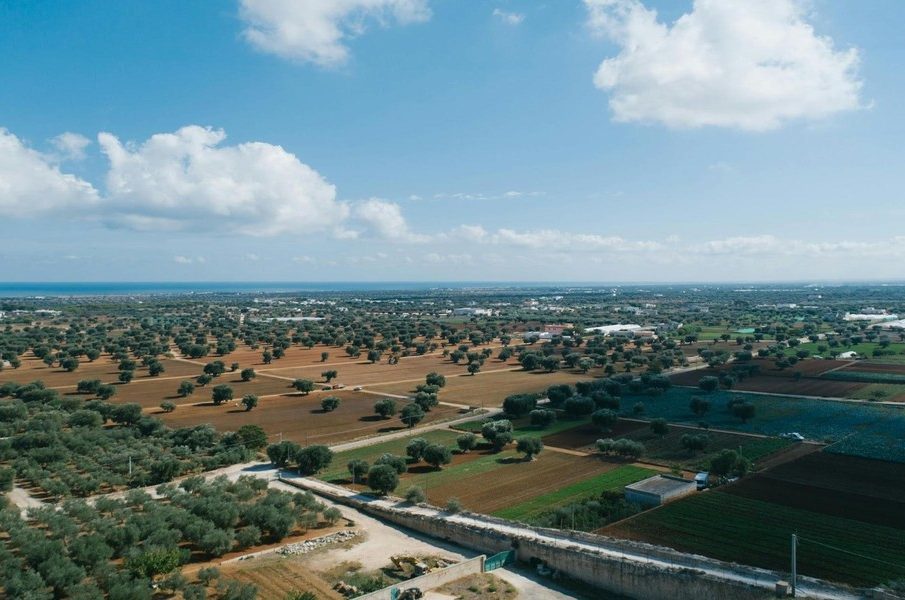
When it comes to property investment, two main strategies dominate: developing land or holding it long-term. Each path has its advantages, risks, and rewards. Exploring good real estate investment strategies can help you make smarter decisions-and potentially build more wealth faster.
Hold and Grow: The Classic Approach
A buy and hold property investment strategy is straightforward. You buy land and maintain ownership, waiting for its value to increase over time. It’s lower effort than development, but ongoing expenses still apply. Holding costs like rates, loan interest, and maintenance-think mowing, insurance, and council fees-can reduce net returns if not tracked carefully.
The advantage? Predictable, long-term appreciation. The challenge? Patience. How long to hold investment property depends on market cycles, location, and careful due diligence on local trends and zoning.Some parcels take years to show strong growth, while prime areas can deliver faster gains.
Even while holding, you can explore creative ways to make money with land-but if you want to actively multiply returns, development is the key.
Develop to Multiply Returns
While holding can generate passive income, development allows you to actively unlock the land’s full potential. Here’s how to start property development strategically…
Property development transforms raw or underutilised land into something far more valuable. This could mean subdividing, building residential or commercial properties, or renovating existing structures. Development is faster and can yield significant profits-but it requires capital, planning, and risk management.
For first-time developers, guidance from property development consulting services is essential. Experts help navigate regulations, manage budgets, and minimise costly mistakes. Accessing town planning services in the Gold Coast ensures your project meets local requirements and maximises returns.
If you’re wondering how to start property development, a good approach is to start small. Even a modest duplex or townhouse project can dramatically increase land value without overwhelming your resources.
Counting the Costs: Which Pays More?
Holding land requires minimal upfront effort, but the ongoing expenses matter. Property holding costs-rates, loan interest, insurance, and maintenance-accumulate over time and can slowly eat into returns if ignored.
Development, on the other hand, carries higher upfront costs, including construction, permits, and professional fees. But when done strategically, the potential gains are far greater. For example, subdividing a single lot into two homes might double or even triple the return compared with simply holding the land for several years. This kind of development not only increases resale value but can also generate rental income while the property is on the market.
Detailed planning is critical to avoid surprises. Accounting for construction delays, council fees, and contingency budgets ensures your development stays profitable and your ROI remains realistic. By comparing these numbers side by side, investors can clearly see how development, while riskier, can dramatically amplify wealth compared with passive holding strategies.
Location, Timing, and Market Trends
Both strategies depend heavily on location. Land in growth corridors or near infrastructure upgrades typically appreciates faster. Development benefits from these areas too, as town planning projects there tend to attract higher buyer interest.
Tracking council plans, zoning updates, and new infrastructure can inform both holding and development decisions. Even long-term holding can be profitable if the land is in a strategically growing area.
When to Hold and When to Build
Some of the most successful investors combine both strategies. Hold land until market conditions are favourable, then develop to capitalise on appreciation. This hybrid approach allows steady growth while unlocking large, one-time profits at the right time.
Professional advice helps decide when to hold and when to develop, reducing risk and increasing potential returns.
Expert Tips for First-Time Developers
- Start small. Avoid overextending with large projects initially.
- Engage professionals. Town planning services and property development consulting services save time and prevent costly mistakes.
- Know local rules. Council regulations can make or break a project.
- Budget thoroughly. Include contingencies for unexpected costs.
- Plan your exit. Decide whether to sell, lease, or a mix of both before starting.
How to Spot Profitable Opportunities and Hidden Risks
Development can be lucrative, but missteps are costly. Poor planning, overlooked regulations, or unexpected holding costs can reduce profit margins. Conversely, holding land in a strong growth corridor still provides steady gains, often with less stress.
Regularly review your portfolio. Assess market trends, zoning changes, and infrastructure developments. Staying informed helps you decide whether to continue holding or start a development project.
Making the Decision
So, which strategy builds more wealth? There’s no universal answer. Development offers faster profits but requires higher effort and risk. Holding land is more predictable, requires less active management, and still delivers solid long-term growth. Your choice depends on your financial situation, experience, risk tolerance, and the property market.
Even if you prefer holding, consulting Tactica town planning and development can keep your investment on track and maximise returns.
Final Takeaways
- Development = faster profits, higher effort, more risk.
- Holding = gradual appreciation, low management, predictable growth.
- Combination = steady growth with strategic windfalls.
- Professional guidance is crucial for both approaches-especially for first-time property developers.
- Understanding costs, market trends, and strategic timing turns land into a powerful wealth-building asset.
Whether you’re holding or developing, smart planning, expert advice, and a clear strategy can make your land work harder, faster, and safer for your long-term wealth.
About Author