
Rainy Season Is When Valley Drains Show Their Age
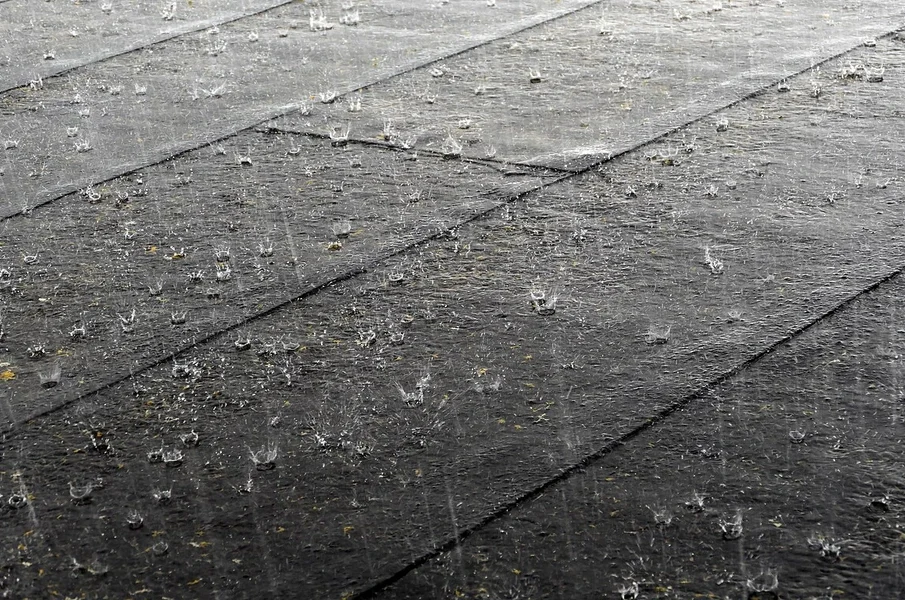
Southern California gets nearly all of its yearly rain in a short window, roughly November through March, and often in a handful of heavy storms rather than steady drizzle. For the other seven or eight months, drains and sewer lines carry little more than household wastewater. Small cracks, partial clogs and missing caps can sit unnoticed through an entire dry summer, then reveal themselves on the first night the gutters overflow.
Homes in the northeast San Fernando Valley tend to learn this the hard way, usually after dark and usually on a weekend. If you would rather line up a plumber in Pacoima before the forecast turns, plumber in Pacoima searches lead to acrplumbers.com, where calls placed by 1:30 PM can often be booked the same day and emergency help runs around the clock. The company, in business since 2010, handles hydro jetting, sump pump repair and installation, and sewer line repair among its two dozen or so services.
What follows is organized around the season itself, starting before the clouds arrive and ending once the yard has dried out.
Weeks Before the First Real Storm
The best time to find a storm weakness is when the sky is clear and the work is cheap. A short walk around the property covers most of what matters, and it rarely takes more than half an hour.
- Find every sewer cleanout in the yard and near the foundation. Each one should have a solid, tight cap. A cracked or missing cap lets rainwater pour directly into your sewer line, which can overload it during a downpour.
- Follow each downspout to where it ends. Water should discharge onto splash blocks, landscaped areas or a proper storm drain line, never into a sewer cleanout. Los Angeles does not allow rain gutters or yard drains to be tied into the sanitary sewer.
- Pour a bucket of water into each area drain and watch how fast it disappears. Slow drains are often packed with summer leaves, dirt and sometimes roots.
- Look at the lowest point of the lot. If water collects against a garage door, a converted garage or a back unit during storms, that spot needs grading, a channel drain or a pump.
- Check exposed pipes on exterior walls, hose bibs and any outdoor tankless water heater for insulation and freeze protection.
That last item surprises people. The Valley is not known for frost, but on the coldest clear nights temperatures near the foothills can dip close to freezing. Bare copper on a shaded north wall or a tankless unit that has lost power can be damaged in a single night.
The Sewer Line Becomes the Weak Link
Older properties in the area often drain through clay or cast iron laterals that have spent decades shifting in the soil. In dry months a cracked joint might leak a little and nobody knows. Once the ground is saturated, groundwater can seep in through those same gaps, adding flow the pipe was never sized to handle. Roots that grew slowly all summer suddenly have more water to chase.
If the lateral was already partly blocked, the extra volume tips it over the edge. The first signs usually come from the lowest fixtures in the house. A shower drain gurgles, a toilet bubbles when the washing machine empties, or water rises in a tub that nobody used.
Many homeowners also do not know whether their house has a backwater valve, a one way device that stops sewage from flowing back into the building when the main line surcharges. The Los Angeles County Sanitation Districts explain how to tell whether your property needs a backwater valve, which mostly comes down to comparing your lowest drain to the elevation of the nearest upstream manhole cover. If your property has one, it needs periodic cleaning, and it should never be used as a cleanout because a sewer snake can damage the flapper inside.
While the Rain Is Still Falling
A storm is not the moment for major repairs, but a few calm decisions can keep a small problem from spreading. If drains start backing up, stop running water in the house. Every flush, load of laundry or dishwasher cycle adds to the pressure on a line that is already struggling.
Sump pumps deserve attention during heavy rain, especially in homes with a sunken garage, a converted basement area or a backyard unit that sits lower than the main house. Listen for the pump cycling. If it runs constantly or not at all while water rises in the pit, the float switch may be stuck or the discharge line may be blocked. Power outages during wind and rain also stop pumps cold, which is why some owners add a battery backup.
Garages flood more often than living spaces, and that matters if your water heater or furnace sits there. Water that reaches the burner area of a gas water heater can damage the controls and create a safety risk. If the appliance has been submerged, leave it off and have it inspected before relighting.
Once the Ground Starts to Dry
The days after a storm reveal what the rain uncovered. Walk the yard again and look for spots that stayed soggy long after everything else drained, sunken areas along the path of the sewer line, or a smell near cleanouts. Inside, watch for drains that still run slowly even though the weather has cleared, since a partial blockage often lingers.
This is the ideal time for a sewer camera inspection if anything seemed off during the storm. The camera shows whether you are dealing with roots, a sag where water and debris pool, a separated joint or a section that has started to collapse. With that footage in hand, the choice between cleaning, hydro jetting, a spot repair or full replacement becomes much clearer.
Saturated soil can also put stress on pipes under slabs and driveways. A sudden jump in the water bill, the sound of running water with every fixture off, or a warm area on the floor after a wet spell can point to a supply line leak that soil movement made worse.
Turning One Bad Storm Into a Better Season
The rainy months in Los Angeles are short, but they compress a year of strain into a few weeks. Houses that come through them well usually share a few traits. Their caps are tight, their roof water goes where it should, their sewer lines have been checked within the last few years, and someone knows where the main water shutoff and backwater valve are located.
None of that requires a big budget. It takes a little attention in October or early November, a willingness to listen when a drain starts to gurgle, and a decision to fix the cause after a storm rather than simply cleaning up the mess. Handle those pieces, and the next atmospheric river becomes just another rainy night instead of an emergency.
About Author