
Sustainable Lawn Care Practices for Eco-Friendly Homeowners in Newtown, CT
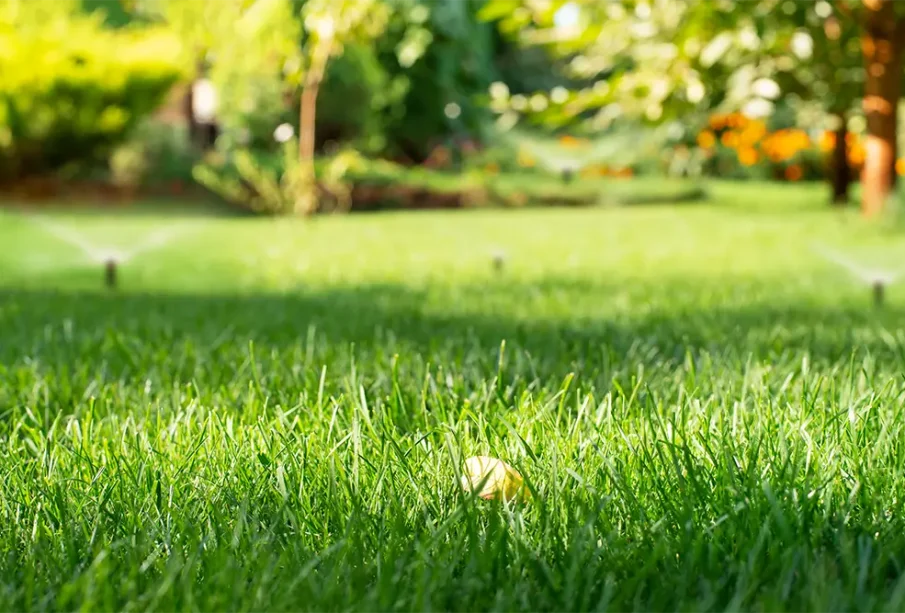
Lawn care doesn’t have to come at the expense of the environment. Sustainable practices can help you maintain a healthy, attractive yard while reducing water use, chemical inputs, and overall environmental impact. For homeowners in Newtown, CT, integrating eco-friendly techniques is not only good for the planet—it also results in a stronger, more resilient lawn.
This guide outlines practical sustainable lawn care strategies, from soil health to mowing practices, that can help homeowners create vibrant lawns with minimal environmental footprint.
1. Focus on Soil Health
Healthy soil is the foundation of sustainable lawn care. Soil rich in organic matter retains moisture, supports beneficial microorganisms, and reduces the need for chemical fertilizers.
Tips to improve soil health:
- Add compost: Incorporate organic compost into your lawn to improve texture, fertility, and water retention.
- Aerate regularly: Reduces compaction, allowing roots to grow deeper and absorb nutrients efficiently.
- Use natural amendments: Consider lime, gypsum, or biochar to balance soil pH and enhance nutrient availability.
- Test soil annually: A simple soil test helps identify nutrient deficiencies without over-applying chemicals.
A strong soil ecosystem naturally promotes healthy grass growth while minimizing the need for synthetic inputs.
2. Choose Native and Drought-Tolerant Grass
Selecting the right grass species reduces water consumption and maintenance requirements.
Recommended approaches:
- Native grasses: Varieties adapted to Newtown’s climate require less water, fertilizer, and pesticides.
- Drought-tolerant types: Fine fescues and Kentucky bluegrass blends maintain their color and resilience with minimal irrigation.
- Mixing grass varieties: A combination of species ensures year-round durability, reduces susceptibility to disease, and improves overall lawn health.
Investing in the right grass from the start minimizes environmental stress and ongoing maintenance needs.
3. Water Efficiently
Water conservation is a key principle of sustainable lawn care. Overwatering not only wastes resources but can also lead to shallow roots and disease.
Watering strategies for sustainability:
- Deep, infrequent watering: Encourage deep root growth by watering 1–1.5 inches per week in the early morning.
- Use rain gauges or smart irrigation systems: Ensure you are providing the correct amount of water without waste.
- Capture rainwater: Rain barrels or other collection systems can provide supplemental water for dry periods.
- Avoid watering during hot midday hours: Reduces evaporation and maximizes water use efficiency.
Efficient watering saves resources while promoting a strong, resilient lawn.
4. Reduce Chemical Use
Sustainable lawns thrive with minimal chemical intervention, which helps protect local ecosystems and groundwater quality.
Eco-friendly practices:
- Natural fertilizers: Use compost, organic blends, or slow-release products to feed the lawn gradually.
- Integrated pest management (IPM): Monitor for pests and use targeted treatments only when necessary.
- Manual weed control: Pulling weeds by hand or spot-treating reduces the reliance on herbicides.
- Mulching grass clippings: Return nutrients to the soil by leaving clippings on the lawn after mowing.
Reducing chemical dependency fosters a healthier lawn and a safer environment for pets, children, and local wildlife.
5. Smart Mowing Practices
Mowing techniques can influence the sustainability of your lawn by affecting water retention, root depth, and overall health.
Key sustainable mowing tips:
- Maintain proper height: Keep grass around 3–4 inches to shade soil and reduce evaporation.
- Follow the one-third rule: Never cut more than one-third of the blade length at a time.
- Use mulching mowers: Mulching clippings naturally fertilizes the lawn and reduces yard waste.
- Sharpen mower blades regularly: Clean cuts reduce stress on the grass and minimize disease risk.
Sustainable mowing practices reduce maintenance needs while promoting strong, healthy turf.
6. Encourage Biodiversity
An eco-friendly lawn can coexist with beneficial plants and pollinators. Encouraging biodiversity supports ecosystem health and adds aesthetic value.
Ideas to increase biodiversity:
- Plant wildflower borders: Native flowers attract pollinators and add seasonal color.
- Include shade-tolerant plants: Complement grass areas with groundcovers or shrubs for variety and habitat.
- Leave small natural areas: Allowing a corner of the yard to grow naturally supports insects, birds, and small wildlife.
- Avoid monocultures: Mixing plant species reduces susceptibility to pests and disease.
Biodiverse landscapes create a balanced ecosystem that thrives with fewer interventions.
7. Seasonal Sustainable Care
Sustainability requires adapting lawn care practices to seasonal changes.
Spring:
- Apply compost and organic fertilizers to prepare soil.
- Overseed thin areas with drought-tolerant grass.
Summer:
- Water deeply in early mornings.
- Monitor for pests and stress without over-relying on chemicals.
Fall:
- Rake leaves and use them as mulch or compost.
- Fertilize with organic blends to support root growth.
Winter:
- Minimize foot traffic on frozen grass.
- Protect soil from erosion with mulching or cover crops in bare areas.
Aligning seasonal care with sustainable principles ensures year-round lawn health.
8. When to Consider Professional Help
For homeowners looking to implement sustainable lawn care effectively, expert guidance can make a significant difference. Professional services offer:
- Customized soil and fertilization plans based on eco-friendly practices
- Expert overseeding and aeration using sustainable techniques
- Efficient pest and weed management with minimal chemical use
For those ready to adopt environmentally responsible lawn care while maintaining a beautiful yard, Tick & Turf provides expert guidance and solutions tailored to the Newtown, CT region.
Conclusion
Sustainable lawn care is about balancing beauty, health, and environmental responsibility. By focusing on soil health, water efficiency, eco-friendly fertilization, smart mowing, and biodiversity, homeowners can create lawns that thrive while reducing their ecological footprint. With consistent seasonal care and thoughtful practices, a Newtown lawn can be both lush and environmentally conscious, offering a safe, inviting space for family, pets, and the local ecosystem.
Implementing these strategies will not only enhance the appearance and durability of your yard but also contribute to a greener, healthier community.
About Author