Heat Pump Versus Gas Furnace South of Dallas
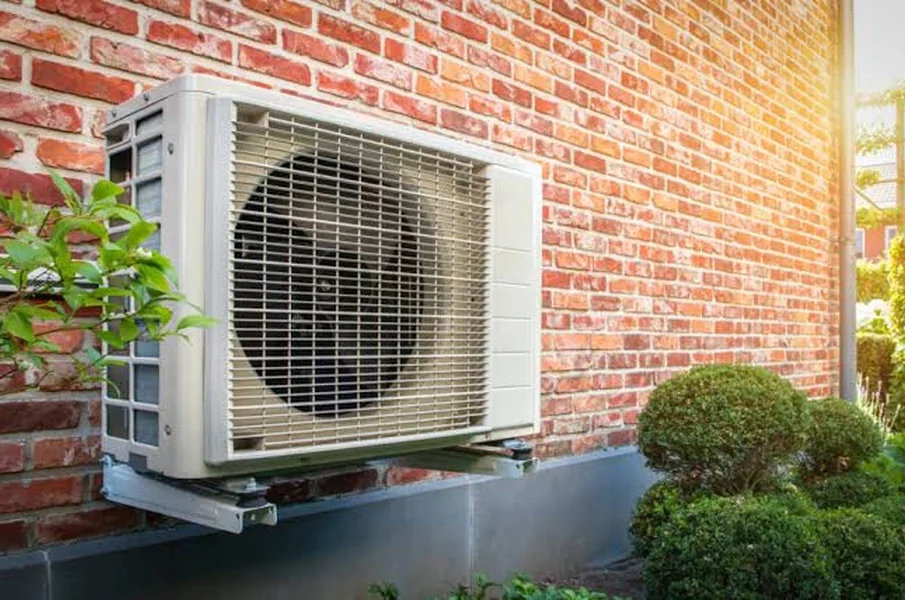
October is when many homes between Waxahachie and Mansfield find out how their heating is really doing. A furnace that sat idle through a 100°F summer gets its first real workload, and if it is 15 or 20 years old, the question of what replaces it stops being theoretical. In North Texas that question usually narrows to two paths: another gas furnace paired with a new air conditioner, or an electric heat pump that handles both seasons from one outdoor unit. Neither path wins everywhere. Each one buys something and gives something up, and the trade-offs here look different from the ones in national buying guides written for Minnesota winters.
Weighing those trade-offs against one specific house is the work 2L Air Conditioning and Heating was set up to do. Owner Jimmy Willson, a state licensed contractor with more than 20 years on the tools, puts instruments on the existing system first, measuring gas pressure, static pressure and duct leakage before any equipment gets discussed. Working out of Midlothian across four counties, he prices the repair option next to the replacement math, with firm numbers before work begins and Synchrony or Wisetek financing if the answer turns out to be a new system. If your furnace is the one being decided this fall, ask for a written comparison of both paths built around your own house.
Bills run on summer, not winter
Here is the detail most comparisons skip. In cooling mode, a heat pump and a central air conditioner with the same SEER2 rating are essentially the same machine. A North Texas home spends far more hours cooling than heating, so the largest part of the annual energy bill barely changes between the two paths. The real cost difference lives in roughly four months of the year.
During those months, efficiency favors the heat pump at mild temperatures. The Department of Energy’s guide to air-source heat pumps notes that a properly installed unit can deliver two to four times more heat energy than the electricity it consumes. A gas furnace, by comparison, turns 80 to 96 percent of its fuel into heat, depending on whether it is a standard or condensing model. On a 45°F December night, the heat pump is typically the cheaper heat source. On a 20°F night, that gap narrows and can reverse once backup heat strips engage.
Fixed charges matter too. A home that keeps gas service only for the furnace pays the utility’s monthly customer charge all twelve months, including the eight when the furnace never fires. If the water heater and range already run on gas, that charge disappears from the comparison.
The week the grid failed
Nobody in Ellis or Johnson County weighs heating without remembering February 2021, when DFW Airport dropped below zero and millions of Texans lost power for days. The University of Texas Energy Institute’s account of the Winter Storm Uri blackouts traces how failures spread across both the electric grid and the natural gas system at the same time.
That history cuts both ways. A heat pump loses capacity as outdoor temperatures fall and leans on electric resistance strips below its balance point, and a 10 kW strip pulls roughly three times the power of the compressor it is backing up. The DOE points out that energy codes require controls to stop unnecessary strip operation, and that this is one of the most commonly violated installation practices. A gas furnace keeps producing full heat in the cold, yet it still needs electricity for its blower, igniter and control board. In a blackout it stops as well, though a modest portable generator can run a furnace far more easily than a heat pump with strips.
Newer variable-speed heat pumps hold much more of their capacity in the low 20s than older single-stage units did. That narrows the gap, but it does not close it on the coldest night of a decade.
What the price tag includes now
Two changes reshaped the math. The federal 25C credit, which covered 30 percent of a qualifying heat pump up to $2,000, ended for equipment installed after December 31, 2025, so the heat pump premium is no longer partly offset at tax time. And new split systems now ship with A2L refrigerants such as R-454B and R-32 instead of R-410A. The old shortcut of swapping only the outdoor unit and keeping an aging indoor coil is gone. Both paths now mean a matched outdoor unit and indoor coil.
Installation scope differs in ways a quote may not show. The furnace route keeps the flue, the gas line to the attic and the combustion safety checks. The heat pump route caps that gas line and removes a carbon monoxide source from the attic, but heat strips often need a dedicated 60 amp circuit, and an older panel in a 1990s Red Oak or Cedar Hill home may not have room for it. Either way, the change-out needs a city mechanical permit and inspection, pulled by a contractor licensed through the Texas Department of Licensing and Regulation.
| What you’re weighing | Tips toward a heat pump | Tips toward a gas furnace | Where dual fuel lands |
|---|---|---|---|
| Winter operating cost | Mild winters, high gas fixed charges | Gas already serves water heater and range | Heat pump above about 35°F, gas below |
| Cold snaps and outages | Generator or battery already planned | Priority on full heat in hard freezes | Gas covers the deep cold |
| Install scope | Panel has capacity for strips | Flue and gas line in good shape | Needs both gas and a capable panel |
| Comfort at the vents | Preference for steady, longer cycles | Preference for hot air at the register | Hot air on cold mornings, gentle heat otherwise |
How the air feels
A furnace pushes air at roughly 120 to 140°F, while a heat pump typically delivers 90 to 105°F. Hold a hand to the register and the heat pump feels lukewarm, even while it keeps the room at the thermostat setting. Some households adapt within a week. Others never do, particularly anyone who works from a home office on a north-facing wall.
Ductwork amplifies the difference. Most homes in this part of Texas run their ducts through vented attics, and cooler supply air leaves less margin for leaks and thin insulation. A heat pump on leaky attic ducts can feel weak in a back bedroom where a furnace would have pushed through. Sealing and balancing those ducts often matters more to winter comfort than the equipment choice itself, especially in older pier-and-beam houses where runs were extended over several remodels.
Where the scales settle
For many southern DFW homes, the honest answer sits in the middle. A dual fuel setup pairs a heat pump with a gas furnace, using the heat pump through mild weather and switching to gas when temperatures drop past a set point. It costs more upfront than either single path, and it makes most sense when the gas line, flue and panel are all in good condition. A home with an electric water heater, a newer panel and tight ducts leans toward an all-electric heat pump, while a home already built around gas appliances, with a tired panel and attic ducts in rough shape, may be better served by a new furnace and well-sealed ductwork. Measuring the house before choosing the equipment is what turns the decision from a guess into an answer.
About Author