The Patio Furniture Cushion Problem Nobody Talks About
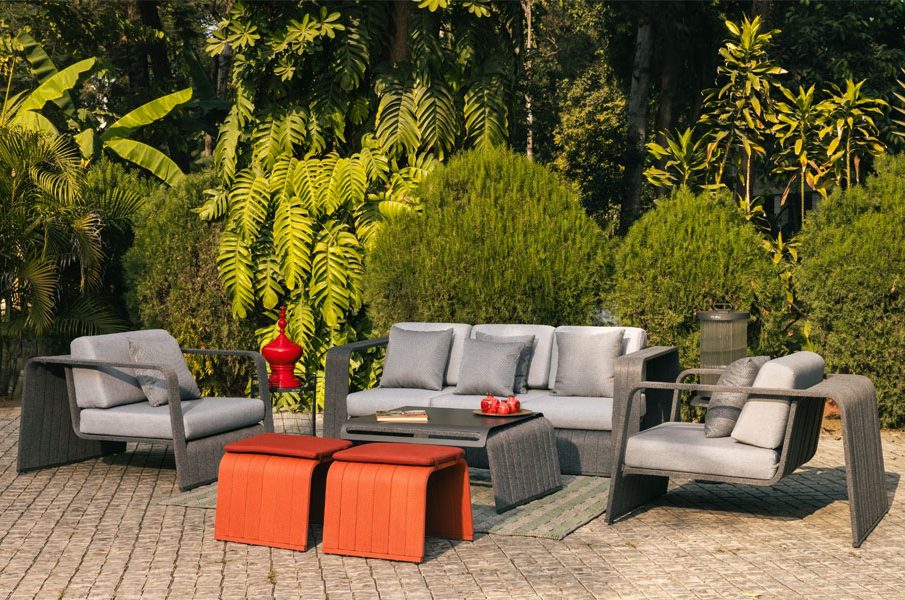
You spent real money on your patio set. The frame will last a decade. The cushions? They’re quietly falling apart right now, and most homeowners don’t notice until it’s too late. Here’s the uncomfortable truth: patio cushions are the most fragile, most expensive to replace, and most neglected part of any outdoor living setup. And the reason they fail early rarely has anything to do with quality. It has to do with what happens to them during the 90% of the time you’re not sitting on them.
Why Do Patio Cushions Wear Out So Fast?
Ask most people why cushions fade, and they’ll say “the sun.” That’s only a third of the story. Outdoor cushions face three simultaneous threats:
1. UV degradation. Ultraviolet light breaks down fabric dyes and weakens fibers. Even “solution-dyed acrylic” cushions — the gold standard — lose vibrancy after a few seasons of constant exposure.
2. Moisture cycling. This is the silent killer. Morning dew, sprinkler overspray, and light rain soak into cushion foam. The surface dries in the afternoon sun, but the core stays damp. Repeat that cycle for a few weeks, and you get mildew growing inside the cushion, where you can’t see it — until the smell shows up.
3. Overnight temperature swings. Condensation forms on cool surfaces after warm days. Your cushions absorb it every single night, even in dry climates. Homeowners in Southern California are often shocked to find mildew spots despite “never getting rain.”
The result: cushions rated to last five years often look tired after two. At $40–$150 per cushion for a full sectional, that’s hundreds of dollars evaporating in slow motion.
The Real Problem Isn’t the Cushions — It’s Where They Live
Cushion manufacturers have already solved the fabric problem. Sunbrella, Olefin, and marine-grade textiles are genuinely impressive. What nobody solved — because it’s not the manufacturer’s job — is the storage problem.
Think about your current routine. When it rains, where do the cushions go?
For most people, the honest answers are:
- Stacked in the garage against a wall (where they pick up dust, spiders, and gasoline smell)
- Leaned against the house under an overhang (still exposed to blowing rain and humidity)
- Left outside under a furniture cover (which traps moisture underneath — often worse than nothing)
- Nowhere, because moving eight cushions inside every evening is a chore nobody keeps up with
That last one is the killer. Cushion care fails not because people don’t know better, but because the “right” routine is too annoying to sustain. Any protection system that requires daily effort will be abandoned by August.
What Actually Works: Frictionless Storage
The fix is a dedicated, weatherproof storage spot on the patio itself — close enough that stashing cushions takes fifteen seconds, not five minutes. This is where deck boxes earn their keep. A good one is waterproof, ventilated enough to prevent trapped humidity, and big enough to swallow a full set of cushions without Tetris-level effort.
If you’re shopping, resin deck boxes have largely won this category — they don’t rust, rot, or need refinishing. Many homeowners opt for outdoor storage boxes from Keter because they hit the practical sweet spot: lockable lids, built-in ventilation, capacities ranging from around 120 to 230 gallons, and a bench-height design that doubles as extra seating. Whatever brand you choose, prioritize three specs: a genuinely watertight lid seal, airflow to prevent internal condensation, and at least 150 gallons of capacity for a standard four-seat conversation set.
A Cushion Routine You’ll Actually Keep
Once storage is ten steps away instead of a trip to the garage, maintenance becomes realistic:
- Nightly (optional but ideal): Toss cushions in the box before bed. Fifteen seconds.
- Before any rain: Non-negotiable. This alone doubles cushion lifespan.
- Monthly: Brush off debris and spot-clean with mild soap. Let cushions dry fully in the sun before storing.
- End of season: Deep clean, dry completely for 24–48 hours, then store loosely — never compressed — with a moisture absorber in the box.
The Bottom Line
The patio furniture industry talks endlessly about frames, fabrics, and warranties. Almost no one talks about the storage gap — the daily moisture exposure that quietly destroys cushions regardless of how premium they are.
The math is simple. Replacing a full set of cushions runs $300–$800. A quality deck box costs a fraction of that, lasts many years, and protects every replacement set you buy afterward. It’s the single highest-return purchase in outdoor living, and it’s the one nobody puts on the shopping list.
Your cushions don’t have a quality problem. They have a housing problem. Solve that, and the “faded, funky-smelling cushion” cycle ends for good.
About Author