5 Window Styles Worth Comparing Before You Replace
The types of replacement windows you can choose from differ in three ways that matter day to day: how the sash opens, how tightly it seals, and how much care it needs over the years. Glass and frame material get most of the attention, but the style decides how the window feels to use, and it affects your energy bills as well.
Five styles cover most houses: double-hung, single-hung, sliding, casement and bow. Each solves a different problem and has a weak spot worth knowing about before anyone measures an opening. Ratings matter alongside style. ENERGY STAR says window U-factors typically run from 0.10 to 0.60, where a lower number means better insulation, and it recommends 0.22 or lower in the northern part of the country.
The Window Pros LLC installs all five of these styles, so you can handle real samples and ask for the ratings that suit your climate instead of choosing from a catalog photo.
1. Double-Hung Windows
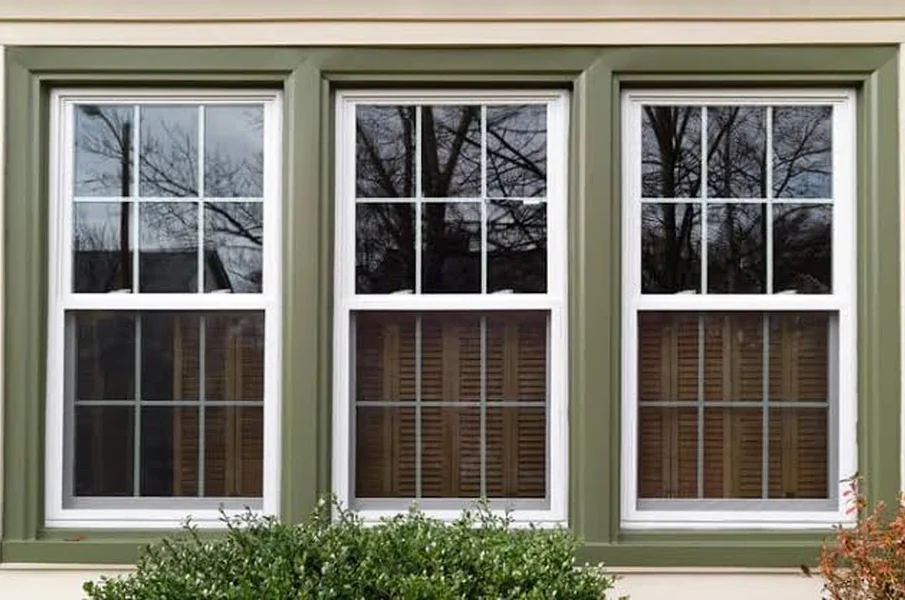
How it works: Both sashes slide up and down, so you can open the top, the bottom, or both. Most modern units tilt inward so you can clean the outside glass from the room.
Best for: Traditional and colonial exteriors, bedrooms, and any room where you want warm air to leave through the top while cooler air enters low.
Watch for: Air leakage. A Louisiana state energy guide for builders describes double-hung units as typically the leakiest of the common styles. Check the air leakage figure on the label and have the sash fit confirmed at installation.
2. Single-Hung Windows
How it works: Only the bottom sash moves. The top sash is fixed, so from the street the window looks like a double-hung.
Best for: Budget-conscious replacements and spots where the upper sash would be out of reach anyway, such as above a kitchen counter or on a stair landing.
Watch for: Half the ventilation of a double-hung. Fewer moving parts generally means fewer places for air to get through, but you lose the option of venting from the top. Cleaning the outside of the fixed upper glass may also take a ladder unless the unit is designed to tilt.
3. Sliding Windows
How it works: One or both sashes glide sideways along a track in the frame. Nothing swings into the room or out into the yard.
Best for: Wide, low openings, ranch-style homes, basements, and places where a deck rail, shrub or piece of furniture would block a swinging sash.
Watch for: Track upkeep and limited airflow. Dirt collects in the bottom channel, so plan to vacuum it a few times a year. Only about half the opening is open at any time. In windy areas, read the air leakage rating closely before you buy.
4. Casement Windows
How it works: The sash is hinged at the side and cranks outward like a small door. When it closes, it presses against the frame and creates a firm seal.
Best for: Rooms where you want a draft-resistant window that still opens fully. The same Louisiana guide groups casement, awning and hopper styles as low in air leakage and able to open completely. A casement also suits the wall over a kitchen sink, since the crank is easy to reach, and angled open it can scoop a passing breeze into the room.
Watch for: Swing space and moving parts. The sash opens outward, so avoid placing one beside a walkway or a narrow deck. The hinges and crank are mechanical and may need service after many years.
5. Bow Windows
How it works: Several window units are joined at gentle angles to form a curve that projects past the wall. The outer panels are often casements or double-hungs that open for airflow.
Best for: Living rooms, dining nooks and front elevations that need depth. A bow brings in light from three sides and gives you a deep sill for plants or a seat cushion.
Watch for: Cost and installation detail. A bow is the biggest project of the five because the seat and head need solid support and proper flashing, and the extra glass makes ratings more important. The Department of Energy’s consumer guide to efficient windows advises buying windows with the ENERGY STAR label and matching U-factor and solar heat gain to your climate zone, and that advice carries extra weight on a window this large.
Matching Style to Room
Most houses end up with a mix. A casement over the kitchen sink, double-hung or single-hung units in bedrooms and living areas, a slider where the opening is wide and low, and a bow on the wall with the best view is a common pattern. Mixing styles works as long as the trim and grid lines stay consistent from the street.
Before you approve a quote, ask for the exact U-factor, solar heat gain coefficient and air leakage figures for every window on it. Those three numbers tell you more about performance than the style name does.
About Author