Is Your Bathroom Remodel Ready for Daily Steam?
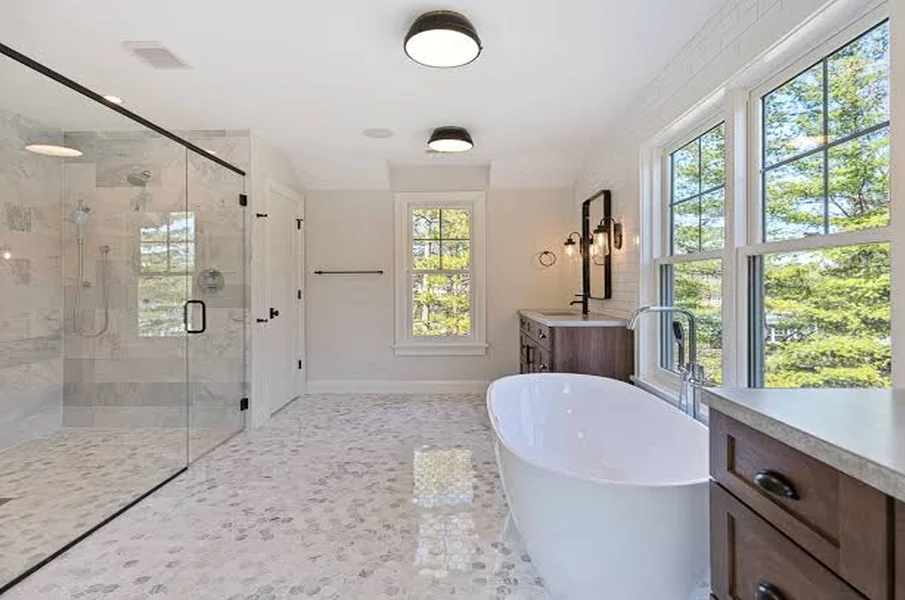
Every hot shower puts a surprising amount of water into the air. On a busy morning, with back-to-back showers, a small bathroom can take in several pints of moisture in under an hour. In a warm coastal climate that moisture struggles to leave, because the air outside is often just as heavy as the air inside.
That is why the parts of a bathroom remodel that matter most usually disappear once the tile goes on. Remodelers like N2 Kitchens & Baths have to think about the layers behind the walls, the airflow above the ceiling and the slope of the shower floor long before anyone picks a vanity color. Homeowners who understand those hidden choices tend to ask sharper questions and end up with a room that still feels fresh years later.
It helps to picture the bathroom as a box that gets soaked many times a day. Whether it dries out between showers or stays damp all the time decides how long it lasts.
Where the Moisture Really Ends Up
Steam doesn’t stay on the mirror. It settles on the coolest surfaces it can find, like exterior walls, window frames, the back of the toilet tank and the ceiling corner above the shower. Some of it soaks into grout and drywall paper. Some of it drifts into the attic through gaps around light fixtures and fan housings.
Water that gets past the tile is the bigger worry. Grout and most natural stone are porous, so they pass water through slowly. Over months and years, that water reaches whatever sits behind the surface. If that layer was never built to stay wet, it softens, swells and starts feeding mold well before any stain shows on the other side.
The Layers Behind a Tiled Shower
A well-built shower wall works like a raincoat. Each layer has a job, and the system only works when all of them are in place.
The Board Under the Tile
Ordinary drywall, even the green moisture-resistant kind, doesn’t belong in a wet shower. Cement board, foam-core panels or fiberglass-faced gypsum made for wet areas hold up much better, because they don’t crumble or feed mold when they get damp.
The Waterproof Layer
Backer board alone is not waterproof. The real protection comes from a membrane, either a sheet product bonded to the wall or a liquid coating rolled on in several coats. Seams, corners, niches and the area around the valve get extra attention, since that’s where most leaks start. Many installers flood-test the shower pan for a day before tiling, so a leak shows up while it’s still cheap to fix.
The Floor Slope
The shower floor needs a steady pitch toward the drain, usually about a quarter inch per foot. Too little slope leaves puddles that soak into the grout. Too much makes the floor feel uneven underfoot. Linear drains have become popular partly because they let the floor slope in one direction, which suits the large-format tiles many homeowners now want.
Tile and Grout
Porcelain tile absorbs very little water, which makes it a dependable choice for wet walls and floors. Bigger tiles mean fewer grout lines, and fewer grout lines mean less surface that can soak up water and stain. Epoxy and urethane grouts cost more than standard cement grout but resist staining and don’t need regular sealing.
Fans That Actually Clear the Air
An exhaust fan is the bathroom’s main way of getting rid of moisture, but plenty of homes have fans that are too weak or vented to the wrong place. A common rule for bathrooms up to about 100 square feet is one cubic foot per minute of airflow for every square foot of floor. Larger rooms, or rooms with a separate soaking tub and shower, usually need more.
Where the air goes matters as much as how much the fan moves. A fan that dumps humid air into the attic simply moves the problem upstairs. The duct should run as straight as possible to a proper exterior cap. Humidity-sensing switches help too, because they keep the fan running after the shower ends, which is exactly when the room needs it most.
Signs a Bathroom Is Losing the Moisture Battle
Many bathrooms show small warnings long before anything serious fails:
- Paint peeling or bubbling on the ceiling above the shower
- Grout that darkens and stays dark long after the last shower
- A musty smell that comes back soon after cleaning
- Loose or hollow-sounding tiles near the shower floor
- Swollen cabinet edges or a vanity base that feels soft
- A mirror that stays fogged for a long time after the fan shuts off
One of these on its own may just mean the room needs better habits or a stronger fan. Several together often point to water getting behind the surface. The EPA’s guide to mold and moisture explains that controlling moisture is the key to controlling mold, and that cleaning the surface does little if the water source stays.
Choosing Materials That Tolerate Humidity
Beyond the shower, every material in the room faces damp air. Vanity cabinets made from plywood generally handle humidity better than particleboard, which can swell permanently once water gets into an unsealed edge. Quartz and solid-surface counters don’t need sealing and resist staining around the sink.
On walls outside the shower, mold-resistant drywall paired with a satin or semi-gloss paint wipes clean easily and sheds condensation better than a flat finish. Brushed metals and matte black fixtures have become popular partly because they hide water spots better than polished chrome.
Flooring needs the same thinking. Porcelain tile and quality luxury vinyl both handle splashes well, while solid hardwood rarely belongs in a full bathroom, however good it looks on day one.
Design Trends That Also Solve Moisture Problems
Some of today’s most popular bathroom styles come with practical benefits. Curbless walk-in showers remove the step at the entry and make the room easier to use with age. They also depend on careful floor recessing and full waterproofing, which pushes builders toward better construction overall.
Fixed glass panels in place of shower curtains let light reach the whole room and dry faster. Wall-hung vanities leave the floor open underneath, which improves airflow and makes it easier to spot a slow leak. Wall niches built into the shower keep bottles off the floor, as long as each niche is sloped and fully sealed so it doesn’t hold standing water.
Building for the Long Haul
The best bathroom remodels look simple when they’re finished. Clean tile lines, a smooth floor and a mirror that clears quickly hide a lot of planning. Before a single tile is chosen, decisions about membranes, slopes, fans and ducting will decide whether the room stays fresh for twenty years or needs tearing out in five.
For homeowners planning a remodel, the most useful thing to do is ask about the layers you’ll never see again. A contractor who can clearly explain how the shower is waterproofed, where the fan vents and how the floor drains is usually one who builds rooms that hold up to steam every single day.
About Author