Beat Water Damage Fast: A Practical Home and Business Drying Plan
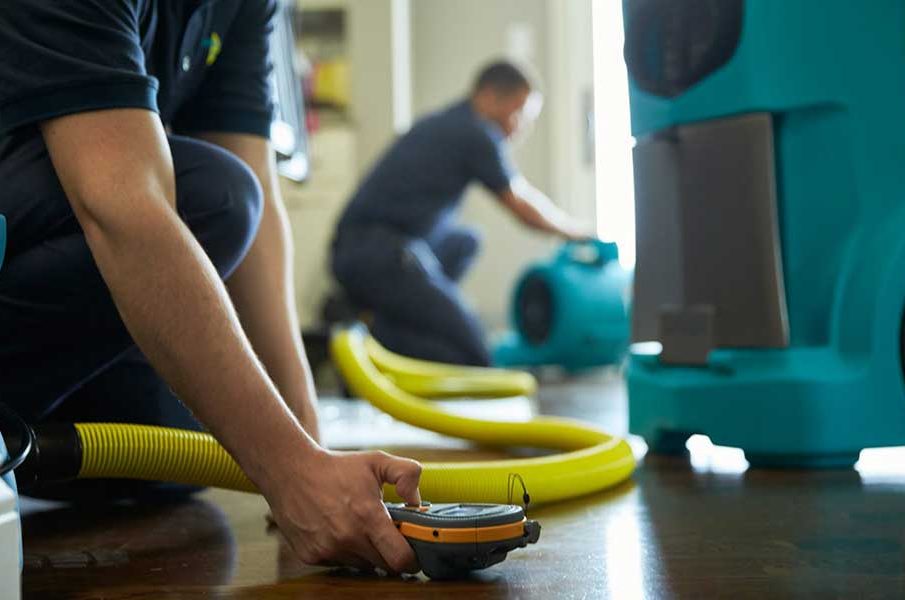
Water damage rarely waits for a convenient moment. A burst pipe at night, a backed-up drain during a storm, or an overflowing appliance can soak carpets, pad, drywall, and baseboards in minutes. The key to avoiding long-term repairs is acting quickly and using the right tools for extraction and drying. A clear plan helps you reduce odors, prevent staining, and limit the chance of mold taking hold.
Step 1: Remove Water and Moisture at the Source
Start with safety and containment. If water is near outlets or equipment, shut off power to affected areas and stop the source of the leak. Then focus on removing as much liquid water as possible. The more water you extract now, the less time you spend trying to dry it later. For carpeted areas, a proper extractor can pull water from carpet fibers and padding far better than a household wet vacuum. This is especially important in basements, rental units, and offices where water can migrate under flooring and into seams. If you need a purpose-built option, consider this: Carpet Extractor Rental in Toronto – Carpet Cleaner and Water Extractor – DryingEquipment.ca. Use overlapping passes, move furniture to expose wet areas, and repeat extraction until the return water is minimal.
Step 2: Dry the Air and Materials Quickly and Evenly
After extraction, drying is a race against time. Air movement helps, but dehumidification does the heavy lifting by pulling moisture out of the air so damp materials can release water faster. This is critical in humid conditions or when multiple rooms are affected. A commercial-grade dehumidifier can maintain lower humidity and speed drying for drywall, framing, carpet, and contents. For larger jobs, or when you want professional results without purchasing equipment, this resource is useful: Commercial Dehumidifier Rental in Toronto – Dri-Eaz LGR 6000Li Dehumidifier – DryingEquipment.ca. Place the unit centrally, keep doors and windows mostly closed, and monitor humidity if possible. If materials stay damp after 24 to 48 hours, you may need to adjust placement, add more air movement, or investigate hidden moisture behind walls or under flooring. Fast extraction plus disciplined drying is the best combination for protecting your space, your air quality, and your budget.
About Author