What to Do in the First Minutes After a Sudden Plumbing Leak
A sudden plumbing leak can spread water through floors, walls, and cabinets within minutes. Fast action can reduce damage and make professional repairs easier. Knowing where to shut off the water, what hazards to avoid, and which details to record helps you respond calmly instead of losing valuable time inside.
A sudden leak can turn an ordinary day into a stressful race against water damage. The first few minutes matter because water can reach flooring, drywall, furniture, and electrical equipment surprisingly quickly. Knowing how to respond helps protect your home while making the plumber’s job more efficient. When you need emergency plumbing during sudden leaks, your priorities should be stopping the water, keeping everyone safe, containing the spread, and contacting a qualified professional. You do not need advanced plumbing knowledge. A calm, organized response can quickly limit damage and prevent a manageable problem from becoming a more expensive household emergency.
Shut Off the Water Immediately
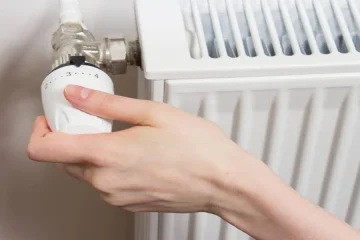
The first goal is to stop more water from entering the area. If the leak comes from a sink, toilet, appliance, or other fixture, close its nearby shutoff valve by turning it clockwise. When the source is unclear or the flow is heavy, close the home’s main water valve. Do not force a valve that is badly corroded because it may break and make the situation worse.
Protect Everyone From Electrical Hazards
Keep everyone away from water near outlets, appliances, extension cords, or the electrical panel. Never stand in water to unplug equipment. If the breaker panel is safely accessible, switch off power to the affected area. Otherwise, leave the space and seek professional help. Water from a sewer backup or overflowing toilet may be contaminated, so avoid direct contact and stop using connected fixtures.
Contain the Water and Identify the Source
After stopping the supply, use buckets, towels, or a wet vacuum to contain the spread where it is safe. Move electronics, rugs, furniture, and stored items away from the wet area. Look for the visible source without cutting walls or dismantling equipment.
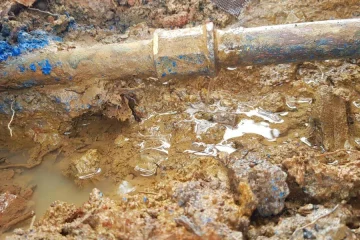
Note whether water is coming from a pipe joint, supply line, fixture, water heater, ceiling, or wall. This information helps professionals handle emergency plumbing during sudden leaks more efficiently and arrive prepared with suitable tools and replacement parts.
Release Remaining Water Pressure
If the main supply has been closed, open a cold-water faucet at the lowest safe point in the home to release remaining pressure. This may allow water left inside the pipes to drain gradually instead of continuing to escape through the damaged area.
Do not touch hot pipes or attempt to drain a leaking water heater unless you understand the correct procedure. Water near gas or electrical components requires immediate professional attention. Avoid reopening the main valve simply to check whether the problem has disappeared.
Document the Leak Before Cleanup
Take clear photos of the leak, nearby damage, and affected belongings after urgent safety steps are complete. Record when the leak started, where water first appeared, and which valve stopped or reduced the flow.
This information may help with professional repairs, maintenance records, and possible insurance claims. It also allows the plumber to understand how the problem developed before standing water is removed or the area begins to dry.
Contact an Emergency Plumber
Call a qualified plumber and explain what you observed. Mention the source of the water, the approximate severity of the leak, the valves you have closed, and whether electricity or sewage is involved.
Active pipe leaks, burst pipes, sewage backups, overflowing fixtures, and water heater leaks should be addressed promptly. Even when the visible flow stops, moisture may remain inside walls, floors, or cabinets. A damaged pipe connection may also begin leaking again when the water supply is restored.
Avoid Temporary Repairs That Create More Risk
Do not treat tape, sealant, or a makeshift clamp as a permanent repair. These materials may briefly slow a leak, but they do not correct corrosion, damaged fittings, excess pressure, or cracked pipes.
Avoid chemical drain cleaners when water is backing up because they may create added hazards and complicate professional work. Once the immediate problem is controlled, keep the affected plumbing unused until it has been inspected. Never use an open flame to thaw a frozen pipe or dry a wet area.
Prepare for Future Plumbing Emergencies
Preparation makes a future leak easier to control. Locate and label the main shutoff valve so every responsible household member knows where it is. Check accessible fixture valves occasionally to confirm they move freely.
Keep absorbent towels, a bucket, a flashlight, and emergency contact details in an easy-to-reach location. Regular plumbing inspections can also identify corrosion, loose connections, hidden moisture, and aging supply lines before they cause sudden water damage.
Frequently Asked Questions
Can a Small Plumbing Leak Wait Until Later?
A small drip can still indicate a loose connection or damaged pipe. Close the local valve if possible, protect the surrounding area, and arrange an inspection before the leak becomes worse.
Where Is the Main Water Shutoff Valve Usually Located?
It is often near the water meter, in a garage, utility area, basement, or where the main supply line enters the home. Find it before an emergency so you can act quickly.
What Should I Do If Water Is Leaking Through the Ceiling?
Turn off the main water supply and stay clear of lights or wiring beneath the wet area. Do not puncture a bulging ceiling. Contact plumbing and electrical professionals as needed.
When Can I Turn the Water Supply Back On?
Do not restore the supply until the damaged section has been assessed or repaired. Turning it back on too soon may restart the leak and cause further water damage.
Conclusion
A sudden plumbing leak demands quick thinking, but the response does not need to be complicated. Start by shutting off the nearest fixture valve or the main water supply. Protect people from electrical hazards, contain the water, move vulnerable belongings, and avoid using connected fixtures. Once the immediate flow is under control, document the damage and explain the symptoms clearly when contacting a plumber. Do not attempt risky repairs or assume a temporary patch has solved the underlying fault. Professional assessment is especially important when the leak involves a burst pipe, water heater, hidden line, sewage backup, or water near electrical equipment. Preparing in advance by locating shutoff valves and keeping a plumber’s contact details accessible can save valuable time. When emergency plumbing during sudden leaks is required, prompt action and a clear safety-first plan offer the best protection for your home, plumbing system, and belongings.
========================================================================
4.
About Author