How to Improve Central Heating Efficiency and Reduce Energy Bills
A heating system running at full efficiency uses less gas to reach the same temperature, which shows up directly on your energy bill every month. The most common hidden cause of poor efficiency is sludge building up inside radiators and pipework, gradually restricting flow and forcing the boiler to work harder. When cleaning and bleeding no longer fix the problem, a power flush central heating service is usually the next step, clearing years of built-up debris in a single visit.
This guide covers the practical steps that actually move the needle on efficiency, from quick DIY checks through to when it’s worth calling in a professional.
Central heating efficiency improves most reliably through three things: keeping the system free of sludge, bleeding radiators regularly, and making sure heating controls aren’t wasting energy. Sludge build-up alone can reduce system efficiency by 5 to 10 percent, adding noticeable cost to an average gas bill. Addressing it, alongside basic maintenance, typically restores most of the lost performance.
Why Central Heating Loses Efficiency Over Time
Every heating system experiences some internal corrosion as it ages. Steel radiators slowly rust, copper pipework oxidises, and the resulting particles settle at the bottom of radiators and around the pump.
This debris, known as magnetite, doesn’t just sit quietly. It insulates parts of the radiator from the hot water flowing through it, meaning the boiler has to run longer to heat the same room. Left long enough, it also increases strain on the pump and heat exchanger, shortening their working life.
Signs Your Heating System Needs Flushing
Certain warning signs point clearly toward sludge as the underlying cause rather than a boiler fault.
- Radiators that are cold at the bottom but warm at the top
- Water running black or dark brown when bleeding a radiator
- Gurgling, banging, or kettling noises from the boiler
- Rooms taking noticeably longer to warm up than before
- Frequent pump failures or repeated boiler breakdowns
Signs your heating system needs flushing often build up gradually, which is why many homeowners don’t connect the dots until efficiency has already dropped significantly.
What Is Sludge in a Central Heating System?
Sludge in a central heating system is a thick, dark mixture of rust, corrosion particles, and mineral deposits that accumulates inside radiators and pipework over years of normal use. It’s a natural byproduct of steel and water interacting, and every system develops some over time.
The problem isn’t the sludge existing, since a small amount is unavoidable. The problem is what happens once it builds up enough to block flow, insulate radiator surfaces, and damage moving parts like the pump.
How to Improve Radiator Efficiency
A few straightforward habits keep radiators performing closer to their original output without needing professional intervention every time.
- Bleed radiators every autumn to release trapped air pockets
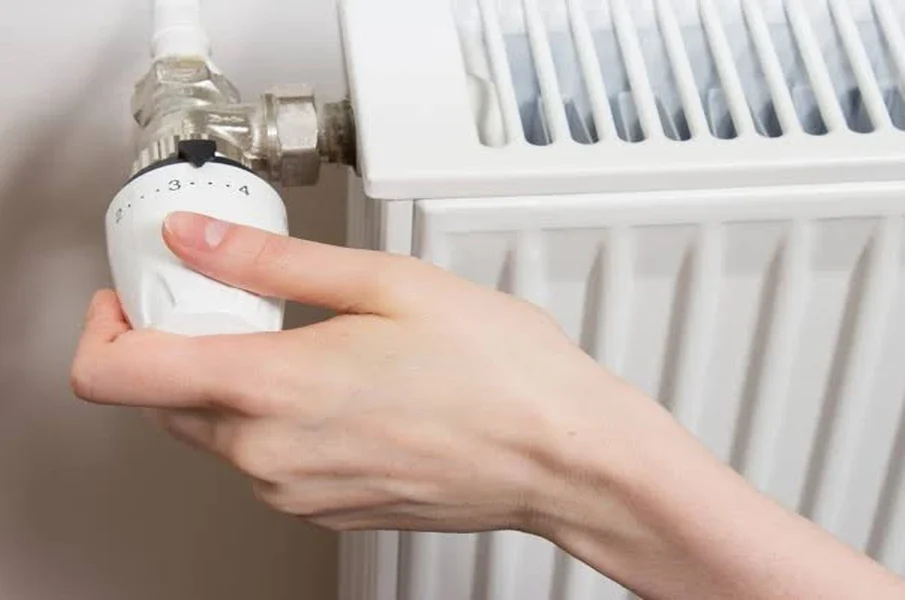
- Check that thermostatic valves aren’t stuck fully open or closed
- Keep furniture and curtains from blocking radiator heat output
- Balance radiators so heat is distributed evenly around the home
- Top up inhibitor levels after any drain-down or repair work
How to improve radiator efficiency ultimately comes down to consistency. None of these steps take long individually, but skipping them for years is exactly how sludge and uneven heating build up unnoticed.
Central Heating Maintenance Tips Worth Following Year Round
Beyond radiators specifically, a handful of habits protect the whole system’s efficiency.
Central heating maintenance tips that make the biggest difference include booking an annual boiler service, monitoring system pressure monthly, and keeping an eye out for early warning signs rather than waiting for a full breakdown. A well-maintained system rarely needs emergency intervention, since most major faults give warning signs weeks or months in advance.
What Is a Power Flush and How Does It Work?
A power flush is a professional deep clean that uses a high-velocity pump and specialist chemicals to remove built-up sludge and corrosion from the entire central heating system, not just individual radiators.
An engineer connects a flushing machine to the system, circulates cleaning chemicals to break down deposits, then flushes them out with clean water under controlled pressure. The process typically takes between four and eight hours depending on the number of radiators and how badly the system is affected. Afterward, an inhibitor is added to slow future corrosion.
Magnetic Filter vs Power Flush
These two solutions are often confused, but they solve different parts of the same problem.
| Feature | Magnetic Filter | Power Flush |
|---|---|---|
| Purpose | Continuously captures new debris | Removes existing built-up sludge |
| Best used | As ongoing prevention | When sludge has already accumulated |
| Typical cost | £100 to £250 fitted | £300 to £650 for most homes |
| One-off or ongoing | Ongoing, needs annual cleaning | One-off deep clean |
| Works alone? | Less effective on an already sludged system | Should be paired with a filter afterward |
Magnetic filter vs power flush isn’t really an either-or decision for most homeowners. A flush clears existing sludge, while a filter stops it building back up, and fitting both together gives the best long-term protection.
When Is a Power Flush Actually Needed?
A full power flush makes the most sense when a system is already showing clear symptoms, such as multiple cold radiators or a noisy boiler, or when installing a new boiler onto an older heating system. Many manufacturer warranties require proof of a system clean before covering a new installation, since sludge from an old system can quickly damage a new heat exchanger.
For younger systems with only mild symptoms, a chemical flush without the specialist machine may be sufficient, and a qualified engineer can advise which approach suits your situation.
Frequently Asked Questions
How do I know if my heating system has sludge?
Cold radiators at the bottom, black water when bleeding, and unusual boiler noises are the clearest signs of sludge build-up.
How much does a power flush cost in the UK?
Most homes pay between £300 and £650, depending on the number of radiators and how much sludge has built up.
Can I flush my radiators myself?
Individual radiators can sometimes be removed and rinsed at home, but a full system power flush requires professional equipment and expertise.
Does a power flush damage old radiators?
Occasionally, a flush can expose an existing weak spot that sludge was previously blocking, though a good engineer checks for this risk beforehand.
How often should a central heating system be flushed?
Most systems benefit from a power flush every 8 to 10 years, though hard water areas or systems without a magnetic filter may need it sooner.
Is a magnetic filter enough on its own?
For a system with minimal existing sludge, yes. For an already contaminated system, a flush should come first, since fitting a filter alone won’t clear years of build-up.
Getting Your System Running Efficiently Again
Improving central heating efficiency rarely needs a full system replacement. In most homes, it’s a combination of routine maintenance, clearing existing sludge, and preventing it from returning that makes the real difference to comfort and bills.
For a proper diagnosis and a clean, thorough power flush, 0800 Homefix provides Gas Safe registered heating support across London and the South East, backed by a 24/7 emergency response and no call-out fee.
About Author