
Foam in a Carpet Extractor Is an Operating Question, Not a Cleaning Score
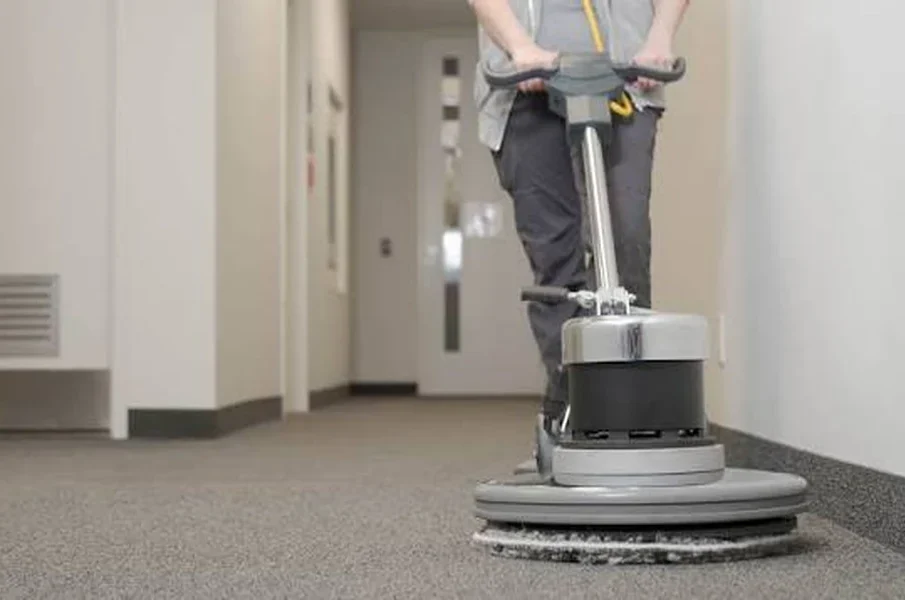
Unexpected foam during carpet extraction is a reason to check the machine’s operating guidance, not evidence that the carpet is becoming cleaner. Follow the supplied model’s instructions and contact the rental provider if the response is unclear. For a Vaughan household planning ordinary carpet care, knowing how foam should be handled belongs in the enquiry before the machine reaches the room.
Suds do not measure the dirt removed
People are accustomed to associating lather with cleaning. That familiar visual cue can be misleading around an extractor, where the recovery system has its own operating limits. A large volume of bubbles does not quantify the amount of soil removed. Nor does little visible foam prove that an approved cleaning method is ineffective. Judge the process against the carpet and equipment instructions, rather than the appearance of suds.
There is a real equipment issue behind that distinction. For example, an official Powr-Flite extractor operator manual warns about excessive foam in the recovery tank and potential motor damage. Its specific foam-control directions belong to the model covered by that manual. The example demonstrates why foam deserves attention; it does not provide a procedure for every rental extractor or establish what accessories or chemicals another machine requires.
Before reserving equipment, use the Vaughan carpet-extractor rental listing to start a discussion about the intended cleaning job and the actual machine available. Ask how the supplied model handles foam, what the operator should watch for and where its written instructions can be found. A category description cannot answer every operating question, and an image of a similar machine should not be treated as the manual.
Older spot treatments belong in the conversation
A carpet’s recent cleaning history may be incomplete. One person may have treated a spill with a household product while another bought the solution intended for the rental. Instead of assuming that only the newest product matters, tell the provider what has already been applied. If the earlier container is available, preserve its label. If it is not, say that the product is unknown rather than identifying it by colour or scent.
This is especially relevant in a shared household. A patch beside a chair might have received several different treatments over time, each well intended and none recorded. The person operating the extractor should not be expected to infer that history from the carpet. Ask everyone involved about recent work before preparing the machine. An accurate account gives the provider or cleaning professional a better basis for deciding whether ordinary rental use is appropriate.
Do not combine leftover products to avoid wasting them, or add a household ingredient because an online comment calls it a foam remedy. Product compatibility, intended application and the machine’s requirements are separate matters that need to agree. A recommendation for one brand’s tank does not authorise the same substance in another model. If approved products or clear instructions are unavailable, resolve the gap before continuing the cleaning plan.
The provider may ask whether the issue appeared immediately, only in one area, or after a change in solution. Those observations can be useful without requiring a renter to diagnose the chemistry. Keep the description factual. “Foam became visible after this section” is better than asserting that the carpet, chemical or machine is defective. It leaves room for the person advising you to ask the next relevant question.
Use the supplied machine’s foam instructions
A proper handover should make the model-specific response understandable. Establish what the instructions say about inspection, stopping, emptying and any approved foam-control product. Do not guess at the tank, dose or application point for an additive. If the wording is ambiguous, request clarification from the provider before operation. The responsibility here is to follow the supplied process, not to improvise a universal recipe.
Also avoid assuming that an automatic shut-off protects against every kind of overfill or foam condition. Different systems have different limits, which is why the manual matters. A renter should not bypass a float, sensor or other protection to keep working. If the machine behaves unexpectedly, stop using it according to its instructions and obtain appropriate support. Opening the equipment or altering its protective features is not part of routine household cleaning.
Suppose a household plans to clean a small study and then a hallway. If unexpected foam appears in the study, the sensible decision is not automatically to finish the room and investigate afterwards. Pause the job under the operating guidance and explain what happened. The remaining floor area can wait while the operating question is resolved. Finishing a planned route has no value if it requires ignoring a condition the instructions say to address.
A paused job needs a clear restart decision
When speaking with the provider, identify the supplied machine, the approved cleaning product and what you observed. Follow only the checks the provider or manual authorises. If instructions are given verbally, confirm the next action in your own words so that both people mean the same tank, control or component. A short clarification is preferable to applying advice intended for a different part of the machine.
Before resuming, establish what has been resolved and what remains uncertain. Perhaps the provider has clarified normal operation, perhaps a different approved preparation is needed, or perhaps the job requires professional cleaning advice. Do not turn an unresolved conversation into permission to continue simply because the rental period is running. Any booking change can be discussed separately from the decision about safe and appropriate operation.
The useful end point is a cleaning process the operator can explain and follow. A foamy tank is neither a success certificate nor an invitation to experiment. Resume the work when the machine-specific response is clear, with the carpet’s needs and the equipment’s limits still governing the job.
About Author